
Police issue warning over heating oil and diesel theft as fuel costs rise
Police have issued new crime prevention advice to households, farms and rural businesses amid concerns that rising fuel and heating oil costs could lead to an increase in theft.
Officers say criminals often take advantage of price increases by targeting properties that store fuel, particularly in isolated or poorly secured locations. Many rural homes rely on heating oil for warmth, making storage tanks an attractive target for thieves looking to resell stolen fuel for profit.
Residents are being urged to take simple but effective steps to improve security around domestic oil tanks. These include positioning tanks where they can be clearly seen from the home, installing motion-sensor lighting or alarms, and fitting locking fuel caps or anti-siphoning devices. Property owners are also encouraged to use CCTV cameras focused on fuel storage areas and to screen tanks from public view using fencing, cages or planting.
More advanced protection measures include installing fuel tank alarms that can detect sudden drops in fuel levels or alert homeowners if a tank cap is tampered with. Police recommend choosing security products that have been independently attack-tested and accredited under recognised safety schemes.
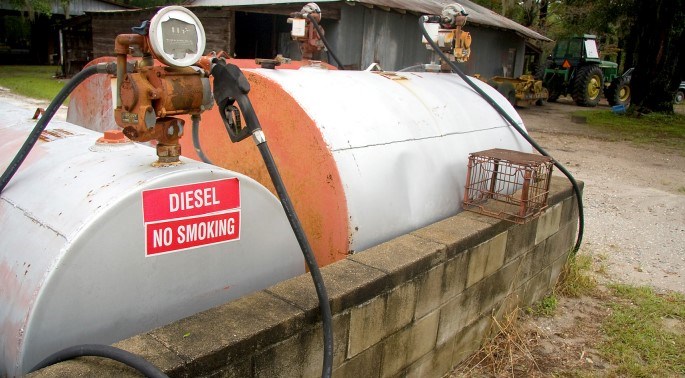
Diesel theft remains a particular concern for farms and rural properties, where tanks may be located far from main buildings. Officers advise keeping storage tanks as close to occupied properties as possible, or using surveillance cameras and physical barriers such as walls, fences or hedges to restrict access if relocation is not feasible.
Regularly checking fuel levels and looking for signs of tampering — such as spills or damage to locks — can help identify theft early. Farmers are also encouraged to avoid storing diesel in isolated outbuildings and to consider using mobile fuel bowsers that can be secured when not in use. The use of diesel dye, which makes fuel traceable, may also deter criminals.
Police say taking preventative action now can significantly reduce the risk of becoming a victim, as offenders typically seek out the easiest opportunities.